
 Book Now
  Call Us
Our Blogs





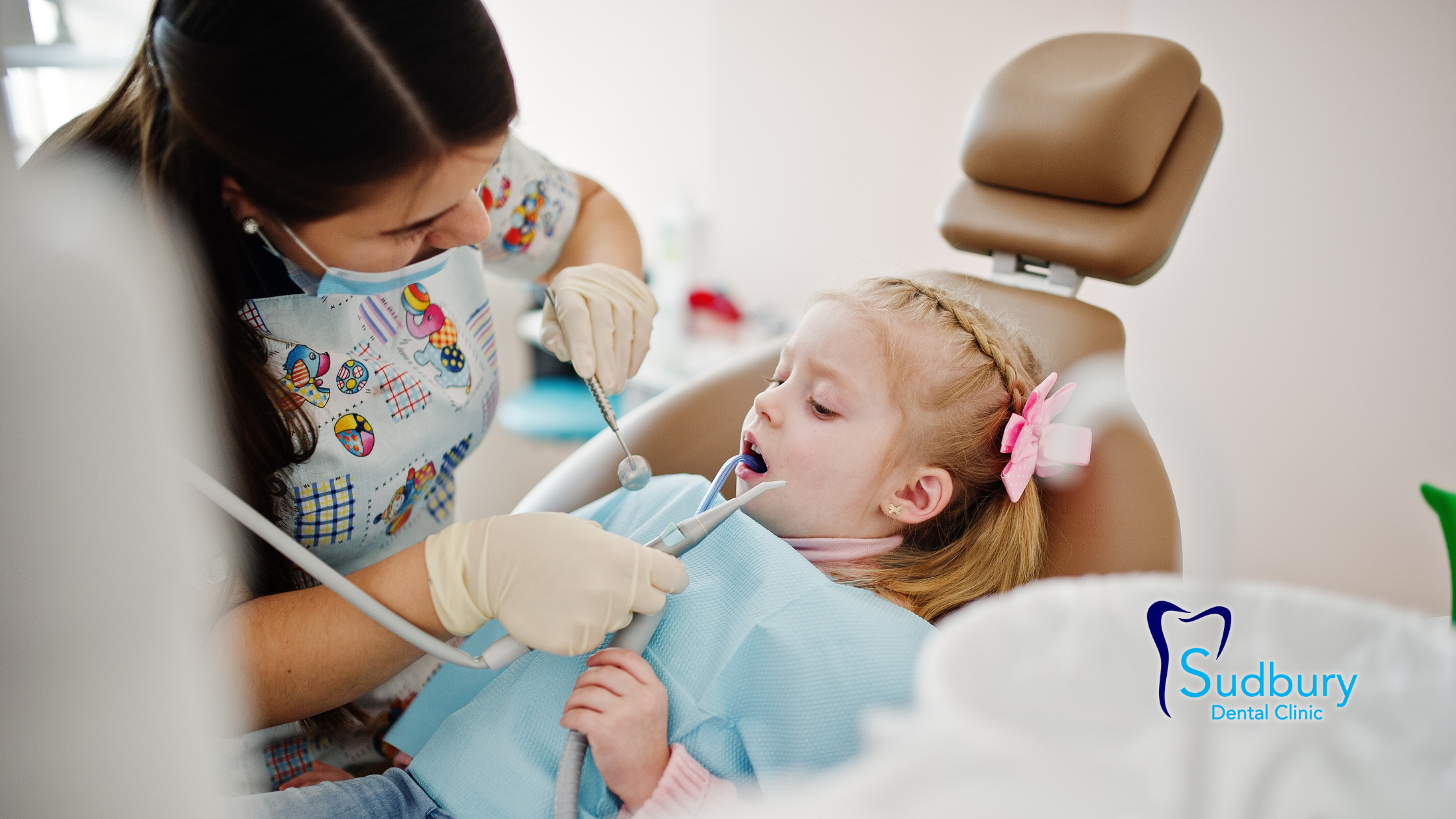

The Importance of Starting Early: Brushing and Flossing for Your Child
Raising a child is a whirlwind of appointments, activities, and daily responsibilities. It’s easy for oral hygiene to slip down the list of priorities, but neglecting it—especially in the early years—can lead to serious dental issues later in life. Cavities, gum disease, and even long-term oral health problems often begin in childhood. The good news? Establishing proper brushing and flossing habits early lays the foundation for a lifetime of healthy smiles and confidence.
Key Takeaways: Why Starting Young Matters
Introducing proper oral care at a young age offers lifelong benefits. It’s not about perfection; it’s about nurturing habits that will serve your child well into adulthood. Here are three key reasons to begin early:
- Improved Oral Health: Early dental care dramatically lowers the risk of cavities, gum disease, and other common dental problems.
- Better Self-Control: Brushing and flossing help children develop discipline and independence—valuable skills that extend beyond oral care.
- Positive Dental Experiences: Early, positive visits to the dentist reduce fear and build long-term trust in dental care.
As Dr. Emily Carter, a pediatric dentist, explains, “Children’s oral health is closely tied to their overall well-being. Starting early isn’t about strict rules—it’s about empowering kids to take ownership of their health.”
1. Start with Brushing – Even Before All Their Teeth Come In
Brushing shouldn’t wait until your child is older. Begin as soon as the first teeth appear—and as soon as they can hold a brush, guide them gently. Even a few minutes a day makes a difference.
- Ages 3–4: Introduce fluoride toothpaste and demonstrate gentle, circular brushing motions.
- Ages 4–6: Encourage brushing for 2 minutes, twice daily. A timer or fun song can help keep them engaged.
Consistency matters more than perfection. Short, regular brushing sessions are far more effective than occasional long ones.
2. Master Flossing – A Key to Total Cleanliness
Flossing isn’t just about removing food—it cleans areas a toothbrush can’t reach. Introduce it early with a simple demonstration: gently guide the floss between teeth and curve it to clean each side.
- Ages 6–7: Help them floss in front of a mirror to build confidence and coordination.
- Ages 7–9: Encourage independent, daily flossing—aim for at least once a day.
If your child resists at first, stay patient. Gradually incorporating flossing into their routine is more effective than forcing it.
3. Consistency is Crucial – Make It a Daily Habit
The secret to lifelong oral health is consistency. Create a visual reminder—such as a sticker chart—to help your child track their progress and stay motivated.
Good habits formed early will eventually become second nature.
Practical Strategies to Support Healthy Habits
Here are some simple strategies to make brushing and flossing easier and more enjoyable:
- Positive Reinforcement: Praise effort, not just results, to build confidence and motivation.
- Make It Fun: Use colorful toothbrushes, play music, or create a reward system to keep them excited.
- Lead by Example: Children mimic what they see—brush and floss together to show the importance of daily care.
- Limit Sugary Snacks and Drinks: Encourage fruits, vegetables, and water to help prevent tooth decay.
- Regular Dental Checkups: Schedule professional cleanings and exams at least twice a year to monitor their oral health.
A healthy smile reflects a healthy body. Prioritizing your child’s oral care now is an investment in their overall well-being and future confidence.
The Emotional Impact of Oral Health
Oral health affects far more than teeth—it influences confidence and self-esteem. Dental problems can cause embarrassment, anxiety, and even social withdrawal. Helping your child maintain a healthy smile supports both their physical and emotional development.
Recognize and validate their feelings about dental care. Reassurance and open conversations can ease anxiety and create positive associations with dental visits.
Actionable Tips for Immediate Success
- Establish a Brushing Routine: Brush twice a day for 2–3 minutes, covering all tooth surfaces.
- Floss Daily: Spend 15–20 seconds carefully flossing between teeth.
- Use Fluoride Toothpaste: Strengthen enamel and protect against decay.
- Stick to a Schedule: Incorporate brushing and flossing into morning and bedtime routines.
- Reward System: Use sticker charts or small incentives to encourage consistency.
These simple steps can help your child develop strong, lasting oral hygiene habits.
Conclusion & Call to Action
Starting early with brushing and flossing sets the stage for a lifetime of healthy smiles. The earlier your child develops these habits, the better their long-term oral health will be. Consistency today leads to confidence and well-being tomorrow.
Ready to give your child the best start? Schedule a consultation with Sudbury Dental Clinic to ensure their oral health is on the right track. Our friendly team is here to provide personalized guidance and support for your child’s smile.
Oral hygiene plays a significant role in your overall health and well-being, influencing your lifespan. You may not realize that the state of your teeth and gums impacts not only your mouth but also your heart and body as a whole.
By maintaining good oral health practices, you can reduce risks associated with various systemic diseases, enhance your immune response, and foster longevity. In this article, we will explore the connections between oral health and longevity, empowering you with knowledge to make informed decisions for a healthier future.
Key Takeaways
- Good oral health reduces risks of systemic diseases linked to inflammation and infection.
- Maintaining healthy teeth and gums supports overall well-being and quality of life.
- Regular dental care is a key factor in promoting a longer, healthier lifespan.
The Direct Link Between Oral Health and Systemic Disease
Emerging research illustrates a compelling connection between your oral health and systemic diseases. Bacteria from periodontal disease can enter the bloodstream, sparking inflammation and potentially exacerbating conditions such as heart disease, diabetes, and even respiratory illnesses.
Maintaining optimal oral hygiene helps fend off these harmful bacteria, thereby promoting not only a healthier mouth but also a healthier body overall.
Chronic Conditions Linked to Poor Oral Hygiene
Neglecting oral hygiene can lead to chronic conditions like heart disease, diabetes, and stroke. For instance, studies reveal that individuals with severe gum disease are nearly twice as likely to suffer heart disease due to inflammation and bacterial spread from the mouth.
By addressing your oral health, you can take proactive steps to reduce the risk of these serious health issues.
“By reducing gum inflammation through consistent oral care, you’re not only protecting your smile but also supporting your heart health by decreasing the bacterial load that could travel to critical systemic areas.”
- Dr. Khaja Siddiqui, DDS, A General Dentist at Sudbury Dental Clinic in Sudbury, Ontario, Canada
The Role of Inflammation in Overall Health
Inflammation plays a pivotal role in both oral and systemic health, acting as a response to infections such as gum disease. Chronic inflammation is linked to various health conditions, including arthritis, cancer, and cardiovascular diseases.
Keeping your gums healthy minimizes inflammatory responses, thereby promoting a more balanced immune system and reducing the likelihood of systemic issues arising from untreated oral problems.
Specifically, when you maintain good oral health, you can significantly reduce chronic inflammation. Studies show that individuals with gum disease often exhibit elevated levels of inflammatory markers like C-reactive protein, which is directly associated with an increased risk of heart attacks and strokes.
By prioritizing good dental hygiene—like regular brushing, flossing, and dental visits—you can help mitigate these inflammatory responses and enhance your overall health, boosting your longevity in the process.
Oral Health and Its Impact on Aging
Your oral health significantly affects the aging process, as poor dental hygiene can lead to various health complications that impact not just your mouth but your entire body. As you age, the risk of developing conditions like gum disease and tooth loss increases, which can hinder your ability to maintain a balanced diet and receive imperative nutrients.
Maintaining healthy teeth and gums not only ensures longevity but also enhances the quality of life in your later years.
The Connection Between Periodontal Disease and Cognitive Decline
Research has shown a troubling link between periodontal disease and cognitive decline, including an increased risk of Alzheimer’s disease. Chronic inflammation caused by gum disease may release inflammatory markers into the bloodstream, potentially affecting brain function.
By prioritizing your oral health, you may reduce the risk of cognitive impairment as you age.
Oral Microbiome: A Window to Longevity
Your oral microbiome—the collection of bacteria within your mouth—holds valuable insights into your overall health and longevity. A balanced oral microbiome contributes to not only healthy gums and teeth but also plays a role in systemic health, impacting conditions ranging from heart disease to diabetes.
Maintaining a diverse and balanced oral microbiome is beneficial in promoting longevity. Research indicates that a healthy oral flora can prevent harmful bacteria from taking over, which might lead to systemic inflammation and various chronic diseases.
Simple habits, such as regular dental check-ups and practicing good oral hygiene, can help foster beneficial bacteria while limiting paths for pathogenic strain proliferation. Consequently, a well-managed oral microbiome can enhance your lifespan and decrease the incidence of age-related health challenges, ultimately making a profound impact on your overall well-being.
The Preventive Power of Regular Dental Care
Regular dental care serves as a cornerstone for maintaining not only your oral health but also your overall well-being. By engaging in preventive practices, you significantly reduce the risk of dental diseases that can lead to serious health complications.
These include heart disease, diabetes, and infections that can spread throughout the body. A well-maintained dental regimen goes beyond a perfect smile; it’s a pathway to longevity and sustained health.
Routine Check-ups: More Than Just a Cleaning
Your routine dental check-ups do far more than provide a simple cleaning; they offer a comprehensive assessment of your oral and systemic health. During these visits, your dentist screens for early signs of oral cancers, gum disease, and cavities, allowing for timely intervention.
By catching these issues early, you prevent potential complications, ensuring that your health remains a priority throughout your life.
The Economic Benefits of Investing in Oral Health
Investing in your oral health yields significant economic benefits, extending well beyond the dentist’s chair. Studies reveal that for every dollar spent on preventive dental care, you can save up to four dollars on more extensive dental procedures later.
For instance, treating advanced gum disease can cost thousands, whereas regular cleanings and exams are comparatively inexpensive. Prioritizing your oral health not only safeguards your well-being but also protects your wallet in the long run.
Moreover, maintaining good oral health reduces absenteeism from work and improves productivity. A healthy mouth contributes to a happier, healthier life, allowing you to engage fully in both personal and professional pursuits.
Furthermore, many dental plans include preventive services at little to no cost, making this investment even more affordable. By treating oral health as a vital component of your overall self-care, you’re not just saving money; you’re enhancing the quality of your life.
Nutrition, Oral Health, and Lifespan
Your diet plays a vital role in both your oral health and your overall longevity. Nutrient-rich foods not only supply the important vitamins and minerals needed for bodily functions but also significantly impact the health of your gums, teeth, and oral cavity.
A well-balanced diet helps in reducing the risk of dental diseases and conditions that could lead to more severe health issues over time.
The Importance of Diet for Oral and Overall Health
Consuming a diet high in sugars and processed foods can promote plaque formation and contribute to tooth decay. In contrast, a balanced diet rich in whole foods provides your body with the necessary elements to ward off inflammation, strengthen your immune system, and support good oral hygiene, ultimately enhancing your lifespan.
Foods that Strengthen Teeth and Gums
Strong teeth and healthy gums can be supported by specific foods that provide important nutrients. Dairy products like cheese and yogurt supply calcium and phosphates which strengthen enamel, while crunchy fruits and vegetables such as apples and carrots act as natural toothbrushes, helping to remove debris and stimulate saliva production.
Omega-3 rich fish, leafy greens, and nuts can also combat inflammation, maintaining gum health.
A diet that includes these beneficial foods not only promotes good oral health but also has broader implications for your longevity. For instance, cheese consumption has been linked to reduced levels of decay-causing bacteria due to its ability to enhance saliva production and raise pH levels in the mouth.
Apples, famously known as “nature’s toothbrush,” help scrub your teeth and freshen your breath, while omega-3 fatty acids found in fish support gum health by reducing inflammation. By incorporating these foods regularly into your diet, you’ll be taking proactive steps toward preserving your oral health and enhancing your overall well-being, ultimately contributing to a longer life.
Behavioral Factors Influencing Oral Health Outcomes
Your behaviors significantly influence your oral health, directly affecting your overall well-being and longevity. Multiple facets of lifestyle choices, including dietary patterns, oral hygiene routines, and substance use, play a crucial role in determining the state of your teeth and gums.
- Regularly brushing and flossing your teeth
- Attending dental check-ups
- Avoiding sugary snacks and beverages
- Receiving timely treatment for dental issues
- Practicing stress reduction techniques
Recognizing the connection between these habits and oral health outcomes can empower you to make informed choices that boost your longevity.
The Impact of Smoking and Alcohol on Oral Health
Both smoking and excessive alcohol consumption can lead to severe oral health issues such as gum disease, tooth decay, and even oral cancer. Tobacco users typically experience higher rates of periodontal disease, and the chemicals in tobacco products can diminish blood flow to your gums, impairing healing.
Alcohol not only increases the risk of mouth cancer but can also dry out your mouth, creating an environment where harmful bacteria flourish.
Oral Hygiene Habits that Promote Longevity
Developing consistent oral hygiene habits can greatly affect how long you retain your natural teeth and maintain overall health. Daily brushing and flossing help remove plaque, which if left unchecked, can lead to gum disease and tooth loss.
Additionally, using fluoride toothpaste can strengthen your enamel and reduce the risk of cavities. Building effective oral hygiene habits requires dedication and routine.
Aim to brush your teeth at least twice a day with a fluoride toothpaste, and don’t forget to floss daily to remove debris from between your teeth. Regular visits to the dentist for cleanings and check-ups are equally important.
Studies indicate that individuals who maintain good oral hygiene practices are less likely to develop heart disease and diabetes, both of which are associated with decreased longevity. Prioritizing your oral care can thus yield significant benefits far beyond the mouth.
To wrap up
Following this, you can appreciate that maintaining good oral health plays a significant role in enhancing your longevity. By prioritizing regular dental check-ups, practicing effective oral hygiene, and being mindful of your diet, you not only protect your smile but also safeguard your overall health.
Poor oral hygiene can lead to various systemic diseases that may shorten your life. Thus, investing in your oral health is investing in your future, ensuring you enjoy a longer, healthier lifestyle.
Your mouth is the gateway to your overall health—make sure it’s in expert hands with Sudbury Dental Clinic in Sudbury, Ontario, Canada. With studies showing that every dollar spent on preventive dental care saves up to four dollars in future treatments, there’s never been a better time to prioritize your oral health.
Book your visit at https://sudburydentalclinic.ca/ and start protecting both your smile and your lifespan.
Grinding your teeth, also known as bruxism, can lead to various health issues, and you may be wondering about its impact on your hearing. While primarily associated with dental problems and jaw discomfort, the vibrations and muscle tension caused by grinding can potentially have an effect on your auditory system.
In this post, we will explore the connection between teeth grinding and hearing loss, delving into the mechanics behind it and offering insights to help you protect your hearing health.
Key Takeaways
- Teeth grinding (bruxism) can strain jaw muscles and nerves linked to ear function, affecting hearing.
- Chronic bruxism may contribute to ear pain, tinnitus, and hearing discomfort.
- Managing grinding habits with night guards or therapy helps protect both teeth and hearing.
The Interconnection Between Dental Health and Auditory Function
Your dental health can significantly impact your auditory function, with many individuals unaware of the intricate connections between these two systems. Issues such as teeth grinding and jaw clenching can lead to complications that extend beyond dental discomfort, potentially affecting your hearing.
Understanding these relationships can empower you to take proactive steps toward maintaining both your oral and auditory health.
Anatomical Link: How Teeth and Ears are Connected
The anatomical design of the human body reveals surprising connections between teeth and ears. The temporomandibular joint (TMJ), responsible for jaw movement, is situated near the ear.
Disruption in the TMJ due to dental problems, such as misalignment or grinding, can create pressure and discomfort that may extend to your auditory system.
“The close proximity of the TMJ to the ear means even minor issues like jaw misalignment can create significant pressure, potentially contributing to symptoms like earaches or muffled hearing.”
- Dr. Khaja Siddiqui, DDS, A General Dentist at Sudbury Dental Clinic in Sudbury, Ontario, Canada
The Role of Jaw Clenching in Hearing Dynamics
Jaw clenching, often associated with stress or anxiety, has the potential to impact your hearing. The tension created in your jaw can lead to improper alignment of the TMJ, resulting in increased pressure in the surrounding areas.
This pressure can disturb the inner workings of your ear, causing sensations such as ringing or partial hearing loss, which can be mistakenly attributed to other causes.
Jaw clenching affects your hearing dynamics by creating excess tension that resonates throughout the structures surrounding your ears. This tension can lead to impaired function of the Eustachian tube, responsible for equalizing pressure in your ear.
As a result, you might experience symptoms like ear fullness or muffled hearing. Moreover, prolonged clenching can exacerbate damage to the delicate hair cells in the cochlea, which play a critical role in the perception of sound.
By addressing your jaw clenching habits, not only can you alleviate discomfort in your jaw, but you may also protect your auditory health in the long run.
The Mechanisms of Tooth Grinding and Their Potential Impact
Grinding your teeth, also known as bruxism, involves repetitive jaw movements that exert significant pressure on your dental structures. While primarily affecting your teeth and jaws, the forces involved during grinding can also have repercussions on surrounding tissues, potentially influencing your overall well-being.
Such pressures can lead to muscle fatigue, irritation, and even inflammation, while the subtle vibrations and sounds produced could reach beyond the mouth, creating an auditory impact worth examining.
Exploring the Forces: What Happens During Teeth Grinding
During teeth grinding, your jaw can experience forces ranging from 50 to 300 pounds of pressure per square inch, depending on the severity of your bruxism. This intense pressure can lead to micro-tears in soft tissues, strain on the jaw, and can even contribute to changes in the alignment of your bite.
The resulting imbalances not only affect dental health but may also have secondary effects on your hearing by impacting the vestibular system, which is responsible for balance and spatial orientation.
Noise-Induced Hearing Damage from Grinding
The sounds produced by grinding your teeth can be startlingly loud, often exceeding 70 decibels—comparable to heavy traffic noise. Repeated exposure to such levels can potentially contribute to noise-induced hearing loss over time, particularly if you grind your teeth frequently or at night.
The vibrations and stress on surrounding structures may also resonate through the skull, further emphasizing the need to consider hearing health when evaluating bruxism.
Prolonged episodes of grinding not only create disruptive noise levels that can affect your own hearing but may also disturb those around you. Over time, the auditory system may become desensitized, leading to an increased threshold for pain and potentially resulting in tinnitus or other auditory issues.
Awareness of this connection prompts a closer examination of bruxism’s impact on both your dental and auditory health, as a retrogressive cycle can develop without appropriate intervention.
Psychological and Physiological Implications of Teeth Grinding
Teeth grinding, or bruxism, often intertwines with psychological factors such as stress, anxiety, and depression. The habitual nature of grinding can lead to heightened muscle tension and discomfort in your jaw, directly influencing your overall quality of life.
As you navigate daily stressors, the subconscious compulsion to grind not only damages teeth but can also contribute to significant psychological turmoil, creating a feedback loop of anxiety and physical strain.
Stress and Anxiety: Triggers for Teeth Grinding
Your daily stressors, whether from work, relationships, or financial pressures, can trigger bruxism. Anxiety often manifests physically, and for many, this translates into grinding teeth at night or during the day.
The more anxious you feel, the more likely you are to clench or grind your teeth, creating a vicious cycle that perpetuates your stress levels and exacerbates oral issues.
The Ripple Effect: How Grinding Affects Overall Health
Teeth grinding can manifest in various health problems that extend beyond dental issues. Chronic grinding may lead to headaches, neck pain, and disrupted sleep patterns, which in turn can contribute to fatigue, irritability, and difficulty focusing.
These secondary effects can permeate your daily life, influencing everything from work performance to social interactions.
The physical consequences of grinding teeth create a cascade of health challenges. Headaches from tension can lead to reduced concentration, while lack of sleep caused by jaw pain interrupts your rest, crippling your cognitive abilities.
Recent studies have shown that individuals who grind their teeth regularly exhibit higher rates of sleep disorders, resulting in decreased productivity and increased levels of stress and anxiety. Understanding the broader implications of bruxism thus, highlights the need for addressing both your dental health and emotional well-being, establishing a supportive cycle of care and relief.
Practical Strategies for Prevention and Management
Managing teeth grinding effectively involves a combination of behavioral techniques and dental interventions tailored to your needs. Implementing practical strategies can help alleviate the symptoms of bruxism and protect both your teeth and hearing over time.
Being proactive in addressing your grinding habit is key to maintaining both your dental and auditory health.
Behavioral Techniques to Reduce Grinding
Engaging in stress management practices can significantly reduce your teeth grinding episodes. Techniques such as mindfulness meditation, yoga, or regular exercise promote relaxation and help diminish anxiety levels, which are often root causes of bruxism.
Establishing a consistent sleep routine and avoiding stimulants before bedtime also plays a role in promoting better sleep quality and reducing grinding occurrences.
Dental Solutions: Mouthguards and Other Interventions
Several dental solutions can effectively address teeth grinding, with custom-made mouthguards being among the most popular recommendations. These devices are designed to fit your mouth and offer a cushioning effect, preventing the grinding of teeth and minimizing wear.
Other interventions may include dental correction options, such as adjusting your bite or orthodontic treatments for those with misaligned teeth.
Custom-made mouthguards are usually fabricated from durable materials, allowing for comfort while protecting your teeth from damage. These dental appliances can be worn at night, providing a protective barrier that absorbs the pressure exerted by grinding.
Your dentist may also explore options like dental splints, which can align your jaw and reduce strain on the jaw muscles and joints. Consulting with your dental professional will allow you to assess the most suitable solution for your specific case, ultimately promoting a healthier smile and potentially safeguarding your hearing from the impacts of bruxism.
Current Research Trends and Future Directions
Emerging Studies on Grinding and Auditory Health
Recent research has begun to explore the link between bruxism and auditory health, pointing to potential connections between jaw muscle tension and inner ear functionality. Some studies propose that the mechanical strain caused by grinding may influence the auditory pathways, leading to symptoms like tinnitus or diminished hearing.
Early findings suggest that individuals with bruxism may experience these auditory symptoms more frequently, highlighting the need for further investigation into this unexplored avenue of health.
Potential Breakthroughs on Treatment and Prevention
Innovative approaches to treating bruxism and its potential auditory effects are on the horizon, as researchers investigate the effectiveness of psychological therapies and cutting-edge dental technologies. These could significantly reduce bruxism incidents and mitigate any related hearing issues.
Additionally, pilot programs focused on biofeedback and lifestyle modifications show promise in alleviating teeth grinding and, by extension, may contribute to better auditory health.
Considering the growing body of evidence linking bruxism to auditory problems, you might find interest in modern therapies focused on managing stress and anxiety, both key factors in teeth grinding. Biofeedback techniques are particularly noteworthy, as they enable you to gain awareness of muscle tension in your jaw, promoting relaxation.
Moreover, advancements in dental appliances designed specifically to absorb the impact of grinding could not only safeguard your teeth but also limit any associated strain on your auditory system. Exploring these potential solutions could lead you to a comprehensive strategy for enhancing both dental and auditory health moving forward.
To wrap up
On the whole, grinding your teeth can lead to various health issues, including potential impacts on your hearing. While the direct link between teeth grinding and hearing loss is still being studied, the associated jaw tension and pain may indirectly affect your ear health.
It’s important to be aware of how your dental habits can influence your overall well-being. If you suspect you are grinding your teeth, consult with a dental professional to find effective solutions that can help protect both your dental health and your hearing.
Don’t let teeth grinding compromise your dental health or potentially affect your hearing – take action now with professional guidance from Sudbury Dental Clinic in Sudbury, Ontario, Canada. Schedule your appointment at https://sudburydentalclinic.ca/ to receive a thorough evaluation and learn about proven interventions that can break the cycle of bruxism and protect your long-term health.
You may think that dental pain always indicates a problem with your teeth, but that isn’t always the case. Understanding the various causes of dental discomfort can help you determine the right course of action, whether it involves a trip to the dentist or addressing other health issues.
In this post, we will explore different reasons for dental pain, from gum disease to sinus infections, enabling you to better assess your condition and seek appropriate treatment.
Key Takeaways
- Dental pain can originate from jaw muscles, nerves, or sinus issues, not just teeth.
- Accurate diagnosis is crucial to identify the true source of pain and provide proper treatment.
- Don’t ignore persistent oral or facial pain; consult a dental professional for evaluation.
Beyond Teeth: Common Non-Dental Sources of Pain
Identifying the source of dental pain can be trickier than you expect, especially when symptoms overlap with non-dental issues. Various conditions can mimic tooth pain, leading you to believe your teeth are the problem when, in fact, it’s your jaw muscles or sinuses at play.
Understanding these alternative sources of pain can help you address symptoms effectively and avoid unnecessary treatments.
Jaw and Muscle Tension: The Silent Culprit
Muscle tension in your jaw can be a hidden cause of dental pain, often overlooked. Stress, grinding teeth (bruxism), or even improper posture can strain your jaw muscles, leading to discomfort that feels tooth-related.
You might experience dull achiness around the jaws, headaches, or pain radiating towards your teeth, prompting you to seek dental care when muscle relaxation techniques could provide relief.
“Factors like stress or bruxism create jaw muscle tension that often mimics dental pain, but simple relaxation exercises or wearing a night guard can dramatically alleviate these symptoms before assuming a dental issue.”
- Dr. Khaja Siddiqui, DDS, A General Dentist at Sudbury Dental Clinic in Sudbury, Ontario, Canada
Sinus Issues and Their Overlapping Symptoms
Sinus problems can be a significant contributor to perceived dental pain, as the upper teeth’s roots are located close to your sinuses. When you suffer from sinusitis, inflammation can cause discomfort that feels similar to a toothache.
Many people mistakenly attribute the pain to their teeth, resulting in unnecessary dental visits instead of seeking treatment for their sinus congestion.
Sinus pressure can lead to a throbbing sensation in the upper jaw, particularly around the molars and premolars. You may also notice symptoms like facial swelling, nasal congestion, or headaches accompanying the pain.
Recognizing this correlation is vital, as treating sinus issues usually alleviates the discomfort without requiring any dental intervention. If you find your toothache coinciding with a cold or allergy flare-up, addressing the underlying sinus problem could be the key to your relief.
The Misdiagnosis Dilemma: When Pain Points to the Wrong Problem
Pain conditions can often lead to misdiagnosis, especially when symptoms overlap across bodily systems. You may feel discomfort in your mouth, leading you to believe that the source lies within your teeth.
However, this is a common pitfall, as other underlying issues could be masquerading as dental pain. Relying solely on surface symptoms could result in overlooking a more serious health concern.
Understanding the potential for misdiagnosis is imperative for seeking appropriate treatment and ensuring that your pain is addressed accurately.
Neurological Conditions: More than Just a Toothache
Neurological disorders can manifest in ways that mimic tooth pain, leaving you puzzled about the true source. Conditions such as trigeminal neuralgia can cause sharp, severe facial pain that often feels like it’s originating from your dental area, leading to confusion and potential dental treatments when a neurological issue may be at play.
Heart-Related Symptoms: An Ominous Overlap
Pain associated with heart conditions can frequently be misinterpreted as dental issues. You might experience jaw and tooth pain, which can be a symptom of angina or even a heart attack.
This overlap is alarming, highlighting the necessity of recognizing that not all pain in your mouth stems from dental problems.
Symptoms of heart conditions like myocardial infarction often include radiating pain to the jaw and teeth, alongside other signs such as shortness of breath and chest pressure. You can underestimate these indicators at your own peril, as ignoring them in favor of seeking dental treatment could lead to dangerous consequences.
If your dental discomfort is persistent and accompanied by other signs commonly associated with heart issues, it is imperative to consult a healthcare professional immediately. Being proactive is key; your pain might be more than just a toothache, and timely intervention can save your life.
Analyzing Pain: The Importance of Location and Quality
Identifying the precise location and quality of your pain can significantly influence the diagnosis process. You might feel discomfort in your jaw, teeth, or surrounding tissues, but understanding how these sensations correlate with potential issues is fundamental.
For example, sharp pain localized in a single tooth often indicates a dental problem like decay or abscess, while a radiating ache across your jaw could signal a condition like temporomandibular joint disorder (TMJ). Evaluating factors such as the type of pain—dull, throbbing, or sharp—enhances clarity in determining its source.
Distinguishing Dental Pain from Other Discomforts
Dental pain can often be mistaken for other types of discomfort, such as sinus pressure or muscle tension. You might experience referred pain, where problems in nearby areas, like your sinuses, can mimic toothache.
Being aware of distinct symptoms, like sinusitis causing facial pressure, can help you differentiate and seek appropriate treatment. Noting where the pain originates and any accompanying symptoms will guide your dentist in diagnosing the real issue effectively.
The Role of Pain Intensity and Duration
Your pain’s intensity and duration provide further insight into what might be wrong. For instance, mild and short-lived pain might suggest a minor irritation, while persistent and intense pain often indicates a dental emergency, such as an infection.
Additionally, chronic pain—lasting weeks or longer—could reveal deeper issues, like gum disease or nerve damage. Understanding these dynamics not only aids in a timely diagnosis but also helps you communicate more effectively with your dentist.
Intensity and duration play key roles in understanding your dental pain’s nature. Pain that escalates quickly and becomes unbearable usually demands immediate attention. For example, if you experience a sudden throbbing discomfort from a previously non-problematic tooth, it’s likely indicative of a developing abscess.
Conversely, mild discomfort that recurs intermittently might suggest a cavity or sensitivity rather than an urgent dental need. Factoring in how long the pain lasts—whether it’s a fleeting episode or a continuous nag—provides valuable insight for your dental professional, influencing their recommended course of action.
Practical Steps for Identifying the Source of Pain
Understanding the source of dental pain involves a systematic approach. Start by keeping a detailed log of your symptoms, including the location, intensity, and frequency of the pain. Pay attention to what triggers the discomfort—foods, temperatures, or specific activities.
Additionally, assess other symptoms such as swelling, fever, or jaw stiffness, as these can indicate non-tooth-related issues. This comprehensive information will serve as a valuable reference for healthcare providers and can aid in faster diagnosis and treatment.
Self-Assessment Techniques: What to Look For
Take note of specific details during your self-assessment. Is the pain sharp or throbbing? Does it radiate to other areas, like your jaw or ear?
Identifying patterns, like pain while chewing or sensitivity to hot or cold stimuli can help pinpoint the issue. Check for visible signs like swelling or discoloration in your gums.
Understanding these characteristics can help differentiate between potential dental issues and other sources of pain.
When to Seek Professional Help: A Guideline
Consulting a dental professional becomes vital when your pain persists for more than a few days or worsens in intensity. If you experience swelling, fever, or noticeable changes in your bite, these symptoms can indicate a more serious condition that requires immediate attention.
Additionally, unmanageable pain or discomfort that disrupts your daily activities should prompt a visit to your dentist or healthcare provider.
In many cases, early intervention can prevent the progression of underlying issues. For example, untreated cavities can lead to infections or root canal treatment, increasing complexity and costs.
If you find over-the-counter pain relief insufficient, this is also a signal that professional guidance is necessary. Monitoring your pain level and symptoms helps you make informed decisions, ensuring that potential complications are managed promptly.
The Importance of Comprehensive Dental and Medical Evaluation
Understanding the source of dental pain often requires a thorough assessment that goes beyond your teeth. A comprehensive evaluation can identify overlapping issues between dental and medical health, such as jaw joint disorders, sinus infections, or systemic problems like diabetes or heart disease.
By organizing all your health information, professionals can accurately determine the underlying cause of your discomfort, ensuring you receive appropriate treatment to relieve pain and prevent future issues.
Integrated Care: Collaborating Between Dentists and Physicians
Integrative care models leverage the expertise of both dentists and physicians, which can significantly enhance patient outcomes. By fostering communication between these specialists, you benefit from a holistic approach that addresses all aspects of your health.
For instance, if your dental pain stems from a systemic condition, your dentist may work closely with your primary care doctor to formulate a comprehensive treatment plan, enabling coordinated care that improves your overall wellness.
The Value of Patient Advocacy: Being Your Own Health Champion
Taking an active role in your health care can lead to better health outcomes. As a patient advocate, you hold the responsibility to voice concerns, ask pertinent questions, and seek second opinions when necessary.
Educating yourself about your symptoms and available treatments can empower you to make informed decisions that best suit your needs, ultimately leading to a more effective management plan for your dental pain.
Being an active participant in your health care means not only seeking answers but also understanding your options. Researching symptoms, maintaining a health diary, and openly discussing your concerns with both your dentist and physician can help bridge gaps in care.
For instance, if you experience pain that seems connected to anxiety or stress, sharing this with both specialists can lead to a multifaceted approach that might include both dental treatments and mental health resources. Your proactive stance encourages a partnership in care that fosters accountability and a shared commitment to your health journey.
Summing up
The source of dental pain is not always related to tooth issues; it can stem from other conditions such as sinus infections, jaw problems, or even headaches. When you experience discomfort in your mouth, it’s necessary to consider these possibilities and not solely attribute it to dental issues.
Seeking professional advice can help uncover the true cause of your pain, allowing for appropriate treatment and relief. Always prioritize your oral health and consult a dental expert when unsure about your symptoms.
Stop guessing about the source of your dental discomfort – whether it’s a cavity, sinus pressure, or jaw muscle tension, proper diagnosis is key to effective treatment. Trust the professionals at Sudbury Dental Clinic in Sudbury, Ontario, Canada to provide the thorough evaluation you deserve by visiting https://sudburydentalclinic.ca/ and scheduling your consultation today.
Over time, you may find yourself needing a solution for a missing tooth, and that’s where a dental flipper comes into play. A dental flipper is a type of removable partial denture designed to replace one or more missing teeth temporarily.
It not only helps restore your smile but also maintains the alignment of your other teeth. In this post, we’ll explore what a dental flipper is, how it functions, and the specific situations in which you might consider using one.
Key Takeaways
- A dental flipper is a removable partial denture used as a temporary tooth replacement.
- It helps restore function and appearance while waiting for permanent dental work.
- Flippers are often used after extractions or during orthodontic treatment.
The Anatomy of a Dental Flipper
A dental flipper consists of a lightweight acrylic base that holds one or more artificial teeth. Designed to fit snugly in your mouth, it is often custom-made to match the shape of your gums and the shade of adjacent teeth.
While some flippers may feature metal clasps for added stability, others rely solely on the precision of their fit to remain in place. This combination of materials ensures comfort during daily wear and provides a more natural appearance while enhancing your smile.
“A well-made dental flipper can be a fantastic option for individuals seeking a temporary solution, offering both cosmetic appeal and functional support during the transition to permanent restorations.”
- Dr. Khaja Siddiqui, DDS, A General Dentist at Sudbury Dental Clinic in Sudbury, Ontario, Canada
Design Features and Materials
The materials used in dental flippers typically include acrylic, chosen for their balance between durability and comfort. The design often incorporates a thin, flexible base that provides a secure fit while being lightweight enough for easy use.
The artificial teeth are crafted from high-quality resin to mimic the look of natural teeth, ensuring that they blend seamlessly with your smile.
How Dental Flippers Differ from Other Prosthetics
Dental flippers distinguish themselves from other prosthetics, such as dentures or implants, by their temporary nature and simplicity. Unlike full or partial dentures that may cover a larger area of your gums, flippers are designed specifically for replacing one or a few missing teeth, often used for short-term solutions while waiting for more permanent options.
Flippers are primarily intended to serve as an interim solution between tooth loss and receiving permanent restorations like implants. The lightweight and removable design offers you the convenience of easy insertion and removal.
In contrast to fixed dentures, flippers do not require surgical procedures for placement, making them a less invasive option. This key difference allows you to maintain a functional smile during the transition period, without the complications often associated with more extensive dental work.
When to Consider a Dental Flipper
If you’re faced with tooth loss, a dental flipper is often a practical solution to consider. This removable appliance is particularly beneficial for those seeking a temporary replacement while you plan for more permanent options such as implants or bridges.
Additionally, if you’re looking for a cost-effective way to restore your smile quickly, a flipper may be the right choice to enhance your confidence and functionality in daily activities.
Temporary Solutions for Tooth Loss
Dental flippers serve as an excellent temporary solution for anyone experiencing tooth loss. They can be particularly useful after tooth extractions, allowing you to maintain a natural appearance while your mouth heals.
Since the flipper is removable and relatively affordable, it enables you to bypass the longer wait times associated with more permanent restorations.
Post-Extraction Use and Healing Benefits
Using a dental flipper after tooth extraction can significantly aid in the healing process. By covering the extraction site, it helps protect the area from debris and bacteria, reducing the risk of infection.
Additionally, you can prevent shifting in surrounding teeth, ensuring that your bite remains aligned as you recover.
Following an extraction, the gums and underlying bone undergo necessary changes during the healing process. Flippers not only support the aesthetic aspect but also contribute to oral health by promoting healing and comfort.
By keeping the extraction site shielded from irritants, the flipper plays a vital role in the overall recovery, allowing you to maintain proper function and confidence while planning for future restorative options. Regular follow-ups with your dentist can ensure that your flipper remains effective and supportive during this transitional time.
Pros and Cons: Weighing Your Options
| Pros | Cons |
| Affordable compared to other dental solutions | Less durable than permanent options |
| Quick and easy to fabricate | May cause discomfort initially |
| Lightweight and easy to remove | Can affect speech or eating |
| Offers a temporary aesthetic solution | Requires good oral hygiene to maintain |
| Can be used while waiting for other restorative treatments | Limited functionality compared to natural teeth |
Advantages of Using a Dental Flipper
A dental flipper provides an affordable and immediate solution for replacing missing teeth. Its lightweight design makes it comfortable for you to wear, while allowing for cosmetic enhancement during the interim period before more permanent restorations are implemented.
With the ability to be easily removed, you have the flexibility to maintain your oral hygiene and partake in activities without the worry of a fixed prosthetic. This versatility can significantly improve your confidence and overall quality of life while you explore your long-term dental options.
Limitations and Potential Drawbacks
While a dental flipper offers several benefits, it also comes with limitations that need to be considered. The material used is less durable than permanent options, making it prone to wear and damage over time.
Additionally, the initial adjustment period may result in discomfort, and the presence of the flipper can affect your ability to speak clearly or chew efficiently. Proper maintenance becomes crucial, as neglecting oral hygiene can lead to gum issues or bad breath.
For some individuals, these drawbacks may outweigh the convenience provided by a dental flipper.
The limitations of a dental flipper extend beyond mere discomfort; they also encompass functionality and longevity. Because flippers are made from softer materials, they may not withstand the same forces as natural teeth, resulting in wear or even breakage with regular use.
This can lead to additional costs for replacements or repairs. Furthermore, some individuals may find it challenging to adapt to the presence of a flipper, especially if they have a history of sensitive gums or existing dental issues.
Balancing these factors with the advantages can help you make a more informed decision about your dental needs.
Care and Maintenance: Ensuring Longevity
To make the most of your dental flipper and ensure its longevity, establishing a consistent care routine is imperative. This begins with daily cleaning procedures that prevent bacteria buildup and staining, ensuring your dental flipper remains fresh and functional.
Long-term care is equally vital, involving proper storage and periodic adjustments by your dentist to maintain optimal fit and comfort.
Daily Cleaning Regimens
Incorporating a simple yet effective cleaning routine can keep your dental flipper in top condition. Rinse your flipper immediately after eating to remove food particles, then clean it with a soft-bristle toothbrush and mild soap.
Avoid abrasive materials that can scratch the surface, and consider using an antibacterial mouthwash for added protection against germs. Regular cleaning not only maintains hygiene but also prolongs the life of your dental flipper.
Long-term Care Tips for Dental Flippers
Special attention to long-term care ensures your dental flipper remains effective and comfortable over time. In order to store dental flippers, they should be placed in a denture or flipper case, filled with water or denture solution, and then sealed overnight.
Schedule regular dental check-ups to monitor fit and condition, as adjustments might be necessary due to natural changes in your mouth. Evaluate your eating habits; hard or sticky foods can damage the flipper, so adjusting your diet can help preserve its integrity.
- Regularly inspect your dental flipper for any signs of wear or damage.
- Ensure to maintain your overall dental hygiene by visiting your dentist for cleanings and exams.
- Using a gentle cleaning solution can help remove stains without causing damage.
- Perceiving the changes in your bite or discomfort early can prevent further issues.
Additional long-term care considerations include being mindful of how you store your dental flipper. When not worn, soak it in a solution recommended by your dentist to keep it moist and prevent warping.
If you notice any changes, such as loosening or discomfort, reach out to your dentist for adjustments. Paying attention to manufacturer guidelines on care can also provide useful insights, helping you maintain the functionality of your dental flipper for years to come.
- Consult with your dentist about the best casts for cleaning and soaking your flipper.
- Keep a spare case handy for travel to prevent damage on the go.
- Avoid using boiling water, as this can distort the flipper’s shape.
- Perceiving wear early helps you take preventive measures before damage occurs.
Exploring Alternatives: What Else is Out There?
While dental flippers offer a temporary solution for missing teeth, several alternatives might better suit your needs. Each option has its own benefits and drawbacks, making it vital to weigh them against your specific circumstances and preferences.
For those seeking a more permanent solution, dental implants and partial dentures stand out as popular choices, providing functional and aesthetic improvements while addressing tooth loss effectively.
Dental Implants vs. Flippers
Dental implants stand in stark contrast to flippers, mainly due to their longevity and functionality. Implants are surgically placed into the jawbone, providing a permanent solution that mimics the natural tooth structure.
While they generally require a higher initial investment and a more prolonged treatment process, the durability and aesthetic outcome can justify the cost for many. Unlike flippers, which can slip or pop out, implants offer a stable, secure fit that restores full chewing capability.
Partial Dentures and Their Similarities
Partial dentures share similarities with flippers, as both serve to fill gaps left by missing teeth. Both options can be removable and are designed to blend with your existing teeth.
However, partial dentures often have a more structured framework, providing improved stability and support compared to flippers. They can be custom-fitted for optimal comfort, making them a more robust option for those seeking a semi-permanent replacement for several missing teeth.
Partial dentures are typically made from durable materials, including acrylic or metal, ensuring a longer lifespan than flippers. Their design incorporates clasps that grip onto remaining teeth, facilitating a more secure experience during daily activities like eating and speaking.
Additionally, partial dentures can be adjusted or repaired with relative ease, accommodating changes in your mouth over time, whereas dental flippers may require replacement sooner due to wear and tear.
To wrap up
Following this, you now understand that a dental flipper is a removable partial denture designed to replace missing teeth temporarily. It can be particularly useful during the healing process after tooth extraction or when waiting for a permanent solution, like a dental implant or bridge.
By using a dental flipper, you can maintain your smile aesthetics and oral function while planning your next steps in dental care. Always consult with your dentist to determine if a dental flipper is the best option for your situation.
Don’t let missing teeth hold you back from smiling with confidence. Schedule a consultation at Sudbury Dental Clinic Sudbury, Ontario, Canada to learn how dental flippers and other prosthetic solutions can quickly restore your smile while you plan for long-term dental care. Call us today to get started on your journey to a complete, healthy smile.
Socket care is vital after a tooth extraction, as avoiding a dry socket can significantly enhance your recovery experience. By following specific guidelines, you can drastically reduce the chances of this uncomfortable condition, which can lead to prolonged pain and complications.
Taking preventive measures like avoiding strenuous activities, maintaining oral hygiene, and being mindful about what you eat will help ensure a smooth healing process. In this guide, you’ll learn effective strategies that will protect your socket and promote faster healing, allowing you to get back to your normal routine with ease.
Key Takeaways:
- Follow post-operative care instructions provided by your dentist, including maintaining proper oral hygiene and avoiding specific foods.
- Avoid smoking and using straws for at least 48 hours after extraction, as these activities can dislodge the blood clot that forms in the socket.
- Manage pain effectively with prescribed medications and stay hydrated to aid in the healing process.
Understanding Dry Socket
The term dry socket refers to a common complication following tooth extraction, particularly for those who undergo wisdom tooth removal. It occurs when the blood clot at the extraction site is dislodged or fails to form, leaving the bone and nerves exposed.
“Think of the blood clot after an extraction as nature’s bandage—it shields exposed nerves and bone, enabling the healing process. When it’s dislodged, as in the case of a dry socket, this protective layer is lost, leading to significant discomfort and delayed recovery.” – Dr. Khaja Siddiqui
This condition causes severe pain and can delay healing, which is why early recognition and prevention are essential.
What is Dry Socket?
What you need to understand is that dry socket manifests as a sharp, throbbing pain typically a few days after your extraction. The exposed bone can also lead to an unpleasant taste or odor and may hinder your ability to eat or speak comfortably.
Without proper care, the healing process can be significantly interrupted.
“The good news is that dry socket is preventable if you follow tailored post-extraction instructions. Proactive steps can dramatically reduce your risk, such as avoiding suction, maintaining gentle oral hygiene, and stopping smoking. – Dr. Khaja Siddiqui
Factors Contributing to Dry Socket
Some factors that may contribute to the risk of dry socket include:
- Smoking
- Oral contraceptives
- Inadequate aftercare
- Advanced age
- Trauma during extraction
After becoming aware of these factors, you can take steps to minimize your risk of experiencing a dry socket.
To effectively prevent dry socket, you should understand how these contributing factors impact your healing. For instance, smoking can significantly impede blood flow, increasing the chances of dislodging the blood clot.
Additionally, oral contraceptives with higher estrogen levels may increase fibrinolytic activity, making it more likely for the blood clot to dissolve prematurely. Inadequate aftercare or trauma during extraction can also elevate your risk. Ensuring proper hygiene and following your dentist’s instructions is important for your recovery.
After taking these factors into account, you’ll be better equipped to avoid dry socket.
“A surprising factor often overlooked is dehydration—low hydration can slow clot formation after an extraction. Aim to sip water regularly, but without using a straw, to support a healthy recovery.” – Dr. Khaja Siddiqui
How to Prevent Dry Socket
If you want to prevent dry socket after a tooth extraction, follow your dentist’s aftercare instructions carefully. Avoid activities that create suction, such as using straws or smoking, for at least a week.
Stick to soft foods and maintain good oral hygiene, but avoid disturbing the extraction site while cleaning your mouth. Staying hydrated and avoiding strenuous activities can also help in your recovery.
Pre-Extraction Preparations
Now is the time to prepare yourself for the extraction process. Discuss any medications you are taking with your dentist, as some can increase the risk of complications.
Ensure you have a thorough understanding of the procedure, and consider arranging for someone to accompany you afterwards. Preparing a recovery space with comfortable items and soft foods can also contribute positively to your healing.
Post-Extraction Care
With proper post-extraction care, you can significantly lower the risk of developing dry socket. Follow the dentist’s guidelines for eating, drinking, and taking prescribed pain medications.
Avoid touching the extraction site with your tongue or fingers, and refrain from spitting or rinsing vigorously for the first 24 hours.
This aftercare is necessary for your recovery. To reduce the chance of dry socket, keep the extraction area clean, but be gentle; avoid using mouthwash or any alcohol-based rinses for the first few days. Stick to soft foods and stay hydrated.
Take prescribed medications as directed to manage any pain, and if you notice any signs of dry socket, such as intense pain or bad breath, contact your dentist immediately for further evaluation. Following these steps will greatly enhance your healing experience.
Tips for a Smooth Recovery
After a tooth extraction, following these tips can enhance your recovery and help prevent complications like dry socket:
- Adhere to your dentist’s post-operative instructions
- Keep your head elevated during sleep
- Avoid smoking and tobacco products
- Stay hydrated, but avoid using straws
- Limit strenuous activities for a few days
This will support your healing process and minimize discomfort.
Dietary Recommendations
Smooth, soft foods are key after your extraction. Focus on consuming items like yogurt, mashed potatoes, smoothies, and soups. Avoid crunchy, hot, or spicy foods that might irritate your extraction site.
Staying hydrated with water is also necessary, but remember to sip it gently to protect your stitches.
Activity Restrictions
Any vigorous activity should be limited post-extraction to aid your healing process. Strenuous exercises, heavy lifting, or intense sports can increase blood flow to the mouth and may lead to complications like dry socket. It’s advisable to avoid such activities for at least 48 hours after your procedure.
This period of rest is necessary to ensure your body can devote its energy to healing. You should focus on low-impact activities, such as walking, and avoid bending or lifting that could disrupt the healing site. Always listen to your body and consult your dentist if you have concerns about your recovery.
Recognizing Signs of Dry Socket
Once again, it’s important to understand that recognizing the signs of dry socket can help you take timely action to manage your recovery. This painful condition often occurs after a tooth extraction when the blood clot at the extraction site dissolves or dislodges, exposing underlying bone and nerves.
Being aware of the symptoms allows you to seek prompt treatment and reduce discomfort.
Symptoms to Watch For
Watch for severe pain that develops a few days after your extraction, often radiating to your ear, temple, or neck. Other symptoms include an unpleasant taste in your mouth, bad breath, visible bone in the socket, and swelling or redness in the area.
If you experience any of these symptoms, it may indicate that you have a dry socket.
When to Contact Your Dentist
Contact your dentist promptly if you notice symptoms of dry socket, especially if the pain worsens or if you are unsure whether your healing is progressing normally.
A strong indicator that you should contact your dentist is if your pain becomes unmanageable and is not relieved by over-the-counter pain medication. If you notice something unusual from your mouth or discover a bone exposed at the extraction site, it is vital to reach out for professional help.
Early intervention can alleviate your discomfort and ensure a more effective healing process, allowing you to avoid further complications.
Treatment Options for Dry Socket
All treatments for dry socket aim to alleviate pain and promote healing. Over-the-counter pain relievers may provide some comfort, but if symptoms persist, a visit to your dentist or oral surgeon is crucial.
They can examine your condition and determine the best course of action, which may include medicated dressings or additional therapies to aid in recovery.
Home Remedies
You can try various home remedies to alleviate the discomfort caused by dry socket. Rinsing your mouth with warm salt water can help keep the area clean and may reduce inflammation.
Applying a cold compress to your cheek can also provide temporary pain relief. Herbal remedies like diluted clove oil have soothing properties and may help alleviate pain when applied carefully with a cotton swab, but you should consult your dentist before use.
Professional Interventions
An effective way to treat dry socket is through professional interventions. Your dentist might place a medicated dressing in the socket to promote healing and relieve pain.
This dressing often contains analgesics that help not only with discomfort but also with the recovery process. In some cases, prescription pain relief may be necessary for more severe pain.
If your dry socket is persistent, it’s important to follow up with your dentist to ensure no underlying issues complicate your recovery.
To provide optimal relief, your dentist might also perform additional procedures if conservative treatments fail. This could include administering a local anesthetic to numb the area before changing the dressing or using antibiotics to prevent infection.
It’s crucial to address the issue promptly, as untreated dry socket can lead to more significant complications, including chronic pain and prolonged healing. Always adhere to your dentist’s advice and follow-up recommendations to ensure the best possible outcome.
Aftercare: Maintaining Oral Health
Many aspects of aftercare contribute to your overall oral health and the successful recovery from tooth extraction. By following proper practices, you can significantly reduce the chances of complications like dry socket.
The procedure includes managing pain and swelling effectively, eating soft foods initially, and paying close attention to any changes in your mouth. Taking the time to ensure that your oral hygiene is maintained will promote healing and protect your oral cavity during this sensitive period.
Oral Hygiene Practices
Assuming you’re on a path to recovery, maintaining oral hygiene is vital. You should gently brush your teeth, keeping the extraction site clean while avoiding the affected area for the first few days.
Using a saltwater rinse can help keep your mouth clean and stimulate healing without disrupting the healing clot. This practice minimizes the risk of infections and promotes a faster recovery.
Follow-Up Appointments
Health experts emphasize that follow-up appointments play a significant role in your recovery process. Regular check-ups confirm that your mouth is healing properly and allow your dentist to identify any potential problems early.
By attending these appointments, you can discuss any concerns you have and ensure a smooth recovery. These visits are not only necessary for monitoring healing but also for addressing any discomfort you might experience along the way.
Plus, missing follow-up appointments may lead to complications that can affect your healing. Your dentist will closely monitor the site for any signs of infection or dry socket, enabling prompt intervention if needed.
Being proactive in your recovery by attending these visits can help you avoid *painful complications* and *ensure your overall health* is maintained during the healing process. Make it a priority to schedule and attend these appointments for a smoother healing journey.
Summing up
Now that you understand how to prevent dry socket after tooth extraction, you can take proactive steps to protect your recovery. By following your dentist’s post-operative instructions, maintaining proper oral hygiene, avoiding smoking and using straws, and sticking to soft foods, you significantly reduce your risk of complications.
Stay hydrated and inform your dentist of any unusual pain or symptoms to ensure a smooth healing process. Your diligence will pay off, allowing you to heal comfortably and successfully.
Worried About Dry Socket or Need Aftercare Advice?
Our team at Sudbury Dental Clinic is here to support your healing journey. If you’ve recently had a tooth extraction or are experiencing unusual discomfort, don’t wait—contact us today to speak with one of our dental professionals or schedule a follow-up appointment.
Reviewed by: Dr. Khaja Siddiqui
Most people underestimate the importance of regular dental checkups, but skipping your bi-annual appointments can lead to serious oral health issues. These visits are important not only for maintaining a bright smile but also for detecting potential problems before they escalate into costly treatments.
By prioritizing your dental checkups, you’re investing in your overall health and ensuring you catch any signs of decay or gum disease early. Don’t neglect your dental health; your future self will appreciate that you prioritize these appointments!
Key Takeaways:
- Regular dental checkups can help detect early signs of oral health issues, preventing more serious problems down the line.
- Bi-annual visits provide professional cleaning that removes plaque and tartar buildup, promoting better overall dental hygiene.
- Consistent checkups allow your dentist to monitor changes in your oral health, ensuring personalized care and effective treatment plans.
The Importance of Preventive Dental Care
Before you think about skipping your bi-annual dental checkup, consider the power of preventive dental care. Regular visits to your dentist help detect potential issues early and maintain your overall oral health.
“Preventive dental care is like maintaining your car—you wouldn’t skip an oil change because it helps avoid costly repairs down the road. Similarly, bi-annual checkups safeguard your smile and support your long-term health.” – Dr. Khaja Siddiqui
These checkups are vital to ensure that your teeth and gums remain strong and disease-free, keeping your smile bright and your confidence intact.
Understanding Dental Health
Below the surface, your dental health affects more than just your mouth. Poor oral hygiene has been linked to an increased risk of complications such as cardiovascular disease and worsened diabetes control.
By understanding the importance of maintaining good dental health, you empower yourself to make informed decisions that support your overall well-being.
The Role of Regular Checkups
Between checkups, you may not realize that small dental problems can escalate into larger issues if left unchecked. Regular dental visits serve as a proactive measure to identify and remediate these problems before they require extensive treatment.
Health professionals emphasize that during regular checkups, your dentist can identify early signs of decay or gum disease—issues that might not be overtly visible to you.
“Many dental problems start silently, without noticeable pain or discomfort. Regular checkups ensure we catch these issues early, giving you the best chance to address them with minimal intervention.” – Dr. Khaja Siddiqui
Regular checkups also provide an opportunity for professional cleanings, which remove plaque and tartar buildup that brushing and flossing alone can’t address.
By consistently attending your bi-annual appointments, you contribute to the long-term health of your teeth, significantly reducing the risk of dental emergencies later on. Your commitment to these checkups ultimately fosters a healthier, happier smile.
Consequences of Skipping Appointments
You may think that skipping your bi-annual dental checkup won’t have any immediate effects, but neglecting these appointments can have serious consequences for your oral health. Regular visits allow your dentist to catch issues early, preventing more severe problems down the line.
By skipping these checkups, you increase your risk of developing cavities, gum disease, and other dental complications that can lead to pain and expensive treatments.
Risk of Developing Cavities
One of the significant risks you face by not attending your dental checkups is the increased likelihood of developing cavities. Without regular professional cleanings, plaque and tartar can build up on your teeth, leading to decay that can compromise your oral health and require intervention.
Potential for Gum Disease
Across your dental health, skipping appointments can severely impact the condition of your gums. It may lead to plaque accumulation, which can progress to gingivitis, the earliest stage of gum disease.
If untreated, this condition can escalate into more severe issues such as periodontitis, potentially resulting in gum recession, tooth mobility, and even tooth loss. Periodontitis has also been associated with systemic health concerns, including respiratory infections, complications during pregnancy, and poor glycemic control in diabetic patients.
Maintaining consistent check-ups allows your dentist to monitor your gum health and recommend timely treatments, ensuring your smile remains strong and healthy.
It is crucial to understand that gum disease can also be associated with other serious health issues, including heart disease and diabetes. Furthermore, the inflammation caused by gum disease can affect your overall well-being.
By committing to regular dental checkups, you are not only protecting your teeth but also your entire body from the complications that can arise from unchecked gum health.
Financial Implications of Neglecting Dental Care
To avoid unnecessary financial strain, it’s vital to prioritize your dental checkups. Skipping these appointments often leads to more severe dental issues that require expensive treatments.
The longer you wait, the more it compounds the cost of your future care, not to mention the potential pain and discomfort you might experience.
Cost of Treatment vs. Prevention
Financial analysis shows that preventive care is significantly less expensive than treatment for advanced dental issues. By investing in regular checkups, you are likely to save substantially on treatments such as fillings, root canals, or extractions that arise from neglect.
Impact on Overall Health Care Costs
Before you dismiss dental care as an expense, consider the broader implications. Poor oral health can lead to more than just dental problems; it can escalate into serious health issues like heart disease and diabetes, resulting in increased overall healthcare costs.
Hence, your decision to neglect dental checkups can severely impact your pocketbook in the long run. Conditions like gum disease have been associated with an increased risk of heart disease, which may contribute to higher medical expenses over time.
Neglecting your oral health does not just affect your teeth; it can contribute to overall wellness issues, amplifying your healthcare expenses and making it harder to maintain a healthy lifestyle.
What to Expect During a Dental Checkup
After scheduling your bi-annual dental appointment, you can expect a comprehensive evaluation of your oral health. During the checkup, your dentist will discuss any concerns you might have, followed by a thorough examination of your teeth and gums.
You may also undergo X-rays to identify any hidden dental issues. This routine visit is an important part of maintaining your overall well-being.
Comprehensive Oral Examination
Along with the discussion of your dental history, your dentist will perform a comprehensive oral examination to check for cavities, gum disease, and other potential issues. This step is vital to catch any problems early, ensuring you receive the best treatment possible.
Professional Cleaning and Its Benefits
At the end of your checkup, a professional cleaning will be performed by a dental hygienist. This process helps remove plaque and tartar that regular brushing and flossing might miss, contributing to a healthier mouth.
Professional cleanings help prevent periodontal disease and reduce the bacterial load in the mouth, contributing to both oral and systemic health.
“A professional dental cleaning does so much more than brighten your smile—it lowers the risk of gum inflammation, which has been linked to overall health issues like heart disease and diabetes. It’s an essential step for holistic health.” – Dr. Khaja Siddiqui
By eliminating stubborn plaque, you reduce the risk of cavities and gum disease.
Additionally, cleaning helps minimize bad breath and leaves your teeth looking polished and bright. Skipping this vital step could lead to more severe dental issues, resulting in costly treatments and discomfort.
Taking the time for a thorough cleaning enhances your oral health and promotes a vibrant smile.
Overcoming Common Barriers to Dental Visits
Despite various obstacles, such as fear, anxiety, and financial concerns, prioritizing your dental health is important. Many people find ways to overcome their aversions to regular dental checkups.
Whether it’s seeking a dental team that prioritizes comfort, scheduling visits at convenient times, or exploring payment plans, there are numerous strategies to ensure you maintain your oral health. Focusing on the long-term benefits of a healthy smile can help you push through these barriers.
Addressing Fear and Anxiety
Visits to the dentist can evoke feelings of fear and anxiety for many individuals. To address these emotions, you can communicate openly with your dentist about your concerns.
Most dental professionals are trained to provide a calming environment and use techniques to help you feel more comfortable. Additionally, practicing relaxation methods such as deep breathing before your appointment can significantly reduce anxiety.
Financial Concerns and Solutions
Regarding finances, many individuals hesitate to visit the dentist due to the costs associated with dental care.
Due to the potential expenses, you might feel hesitant to book an appointment for your dental checkup. However, it’s important to understand that delaying dental visits can lead to more severe issues and higher costs down the line.
Many dental offices offer flexible payment plans or work with insurance providers to minimize the financial burden. Additionally, investing in preventive care through regular check-ups can save you money in the long term by avoiding costly treatments for neglected dental issues.
Always inquire about available options to manage your dental care expenses effectively.
Establishing a Regular Dental Care Routine
Keep your dental health in check by establishing a consistent dental care routine. This routine includes brushing twice daily, flossing, and using mouthwash.
By integrating these simple practices into your daily life, you ensure the longevity of your teeth and your overall oral health. A routine not only fights cavities and gum disease but also sets the foundation for successful bi-annual dental checkups that can catch issues early.
Finding the Right Dentist
Behind every healthy smile is a dedicated dentist who understands your unique needs. Selecting a dentist who makes you feel comfortable and confident is crucial for maintaining your oral health. Look for credentials, patient reviews, and a practice that emphasizes preventative care, ensuring you receive the best service tailored to your oral health goals.
Setting Reminders for Appointments
Against the common tendency to postpone dental visits, setting reminders for appointments is a simple yet effective strategy. You can use your smartphone calendar, a planner, or reminder apps to help you stay on track.
Scheduling your appointments in advance reinforces your commitment to oral health and helps prevent common dental issues from escalating.
Consequently, establishing a solid reminder system can significantly improve your dental health regime. Utilize alarms or calendar notifications to alert you about upcoming appointments, making it difficult to overlook them.
By prioritizing these scheduled checkups, you actively combat potential dental problems. Failing to attend your bi-annual visits may lead to more serious health concerns or unnecessary treatments.
Stay attentive and keep track of your dental care appointments to ensure a healthy smile for years to come!
Summing up
Drawing together the various points, you should not skip your bi-annual dental check-up as it plays a significant role in maintaining your oral health. Regular visits allow for early detection of potential issues, ensuring they are addressed before becoming serious concerns.
Additionally, professional cleanings help to remove plaque and tartar that brushing may miss, contributing to fresher breath and a brighter smile. By committing to these appointments, you invest in your overall well-being and avoid potentially costly treatments down the line.
Don’t wait for dental problems to catch up with you—stay ahead of your oral health with regular checkups. Schedule your bi-annual dental visit with Sudbury Dental Clinic today. Our friendly team is here to help you maintain a healthy, confident smile. Book your appointment now.
Reviewed by: Dr. Khaja Siddiqui
Just by incorporating sugar-free gum into your daily routine, you can significantly enhance your oral health. Chewing sugar-free gum stimulates saliva production, which helps neutralize acids produced by bacteria in your mouth, effectively reducing your risk of cavities and gum disease.
Additionally, this simple habit can aid in freshening your breath and promoting a healthier overall oral environment. Discover how making this small change can lead to substantial benefits for your dental well-being.
Key Takeaways:
- Chewing sugar-free gum stimulates saliva production, which helps neutralize acids, reduce the risk of cavities, and support enamel remineralization.
- Sugar-free gum can aid in reducing plaque buildup and promoting overall oral hygiene when used as a supplement to regular brushing and flossing.
- Chewing gum can also provide fresh breath, making it a convenient option for maintaining oral freshness throughout the day.
The Science Behind Chewing Gum
Your understanding of the science behind chewing gum can enhance your oral health routine. Chewing gum stimulates saliva production, which helps wash away food particles and neutralizes acids produced by bacteria in your mouth.
This increased saliva flow can assist in preventing tooth decay and maintaining oral hygiene. Additionally, the act of chewing keeps your jaw muscles active, promoting overall dental health.
Sugar-Free vs. Sugary Gum
Behind the benefits of chewing gum lies a critical distinction: sugar-free versus sugary gum. Sugar-containing gum can contribute to tooth decay, whereas sugar-free options offer a healthier alternative that promotes oral health.
By choosing sugar-free gum, you reduce the risk of cavities while enjoying the same satisfaction of chewing.
Role of Xylitol and Other Sweeteners
After understanding the differences, it’s necessary to explore the role of xylitol and other sweeteners in sugar-free gum. These ingredients are beneficial for your teeth and help inhibit the growth of harmful bacteria in your mouth.
Xylitol, in particular, helps reduce levels of Streptococcus mutans, a cavity-causing bacterium, thereby promoting overall dental health.
“When choosing sugar-free gum, look for xylitol as a key ingredient—it not only fights cavity-causing bacteria but also disrupts bacterial growth cycles, offering a double layer of protection for your teeth.” – Dr. Khaja Siddiqui
It’s important to note that xylitol is a natural sugar alcohol that offers significant benefits for oral health. Not only does it help in preventing cavities by reducing harmful bacteria, but it also encourages the remineralization of tooth enamel.
Additionally, other sweeteners, like sorbitol and mannitol, serve a similar purpose without the harmful effects associated with sugar. Incorporating gum with xylitol into your routine can be a simple yet effective strategy for maintaining a healthy mouth.
Saliva Production and Its Importance
One of the key roles of saliva in your mouth is to aid in the digestion process and maintain oral health. Saliva helps to neutralize acids produced by bacteria in your mouth, reducing the risk of tooth decay and gum disease.
Additionally, saliva contains essential minerals such as calcium, phosphate, and bicarbonate, which are vital for protecting and remineralizing tooth enamel. When saliva production decreases, you may experience dry mouth, which can lead to various oral health issues, highlighting the importance of keeping saliva levels optimal.
How Chewing Gum Stimulates Saliva Flow
Below, you’ll discover that chewing sugar-free gum effectively stimulates saliva flow. The act of chewing enhances oral muscle movement and triggers your salivary glands to produce more saliva.
This increased saliva helps wash away food particles, neutralize acids, and keep your mouth feeling fresh, ultimately contributing to better oral hygiene.
Benefits of Increased Saliva in Oral Health
Flowing saliva provides numerous benefits for your oral health. With increased saliva production, you help create a natural defense against cavities and gum disease.
“Saliva is your mouth’s natural repair system—it neutralizes harmful acids and replenishes essential minerals that make your enamel stronger and more resistant to decay.” – Dr. Khaja Siddiqui
The saliva washes away food particles and bacterial plaque from your teeth, making it a crucial component in maintaining oral hygiene. Furthermore, saliva aids in remineralizing enamel, fortifying your teeth against decay and helping prevent the onset of conditions like tooth sensitivity and bad breath.
It’s clear that keeping your mouth moist with optimal saliva levels is imperative for overall dental wellness.
Stimulating saliva production combats issues like dry mouth and enhances health in various ways. When you chew sugar-free gum, the increased saliva flow helps flush away harmful bacteria and food debris, reducing the risk of plaque buildup.
Saliva is also rich in imperative minerals that contribute to the rebuilding and strengthening of tooth enamel. Maintaining a healthy level of saliva in your mouth is vital in preventing oral infections and promoting a brighter, healthier smile.
By integrating sugar-free gum into your routine, you take a proactive step toward better oral health.
Plaque Reduction and Tooth Decay Prevention
For maintaining your oral health, chewing sugar-free gum can significantly reduce plaque buildup and prevent tooth decay. The act of chewing stimulates saliva production, which helps neutralize acids produced by bacteria in your mouth.
“A healthy flow of saliva does more than just rinse your mouth—it also carries important enzymes and minerals that bolster your teeth’s defenses against decay, making it one of the most effective natural tools for oral hygiene.” – Dr. Khaja Siddiqui
This increased saliva flow washes away food particles and contains minerals that can strengthen your enamel, providing a natural defense against cavities.
Mechanisms of Action in Plaque Control
The process by which sugar-free gum aids in plaque control involves several mechanisms. Chewing gum increases saliva production, which dilutes and washes away harmful bacteria and food debris.
Saliva is rich in bicarbonate, calcium, and phosphate that help to remineralize enamel and inhibit the growth of acid-producing bacteria. By engaging in this simple habit, you can effectively reduce the chances of plaque formation on your teeth.
Evidence from Recent Studies
A recent meta-analysis highlighted that chewing sugar-free gum for at least 20 minutes after meals can significantly decrease plaque formation. Studies have shown that participants who incorporated sugar-free gum into their oral hygiene routine experienced a significant decrease in plaque accumulation compared to those who did not.
A 2020 meta-analysis and FDI World Dental Federation report indicated that chewing sugar-free gum for 20 minutes after meals can significantly reduce plaque formation and support enamel remineralization. Participants demonstrated a *notable reduction* in both plaque scores and cavity development.
The studies suggested that the increase in saliva not only decreases acidity but also assists in the *remineralization of enamel*, reinforcing your teeth’s defense against decay. By choosing to chew sugar-free gum regularly, you can enjoy a *healthier mouth* and *minimize your risk* of dental issues.
Freshening Breath and Its Impact on Confidence
Many individuals underestimate the power of fresh breath in enhancing their social interactions. When you have fresh breath, you feel more at ease, allowing you to speak confidently and engage with others without the fear of unpleasant odors affecting their perception of you.
This added confidence can significantly improve your personal and professional relationships.
How Gum Affects Breath Odor
On chewing sugar-free gum, you activate your salivary glands, producing saliva that helps wash away food particles and neutralize acids in your mouth. This action not only combats bad breath but also contributes to the overall cleanliness of your mouth, leaving a pleasant flavor that lingers long after you’ve finished chewing.
Psychological Benefits of Fresh Breath
Behind having fresh breath lies a host of psychological advantages. When you know your breath smells good, you’re more likely to engage in conversations, smile more, and project a positive self-image. This self-assured demeanor can foster stronger connections with others, contributing to a more fulfilling social life.
And as you cultivate fresh breath, you pave the way for enhanced self-esteem and social interactions. Surveys suggest that individuals who perceive their breath as fresh report greater confidence and comfort in social situations.
Moreover, frequent gum chewing can become a positive habit that reinforces your commitment to maintaining good oral hygiene, further boosting your confidence in various settings.
Chewing Gum and Oral Hygiene Habits
All your oral hygiene routines can be complemented by chewing sugar-free gum. This simple habit can help reduce plaque buildup, enhance saliva production, and neutralize harmful acids in your mouth. Moreover, when used alongside regular brushing and flossing, sugar-free gum can further promote a healthier oral environment, ultimately contributing to reduced risk of cavities and gum disease.
Supplementing Regular Dental Care
For optimal oral health, incorporating sugar-free gum into your daily routine can supplement your regular dental care. While it should never replace brushing and flossing, chewing gum can effectively aid in cleaning teeth and freshening breath between these important practices.
Opt for products containing xylitol, as this ingredient actively helps reduce harmful bacteria in your mouth.
Encouraging Healthy Habits in Children
Before introducing chewing gum to your child, consider its potential benefits in promoting oral hygiene. Chewing sugar-free gum can reinforce positive dental habits, turning a fun activity into a learning opportunity.
This can help keep your child’s smile healthy while motivating them to develop a routine that emphasizes dental care.
Supplementing your child’s oral hygiene routine with sugar-free gum can instill *healthy habits* early on. By offering gum after meals, you can teach them the importance of maintaining oral cleanliness while making it enjoyable.
This small change can lead to a lifetime of *good practices*, helping to reinforce that good oral health doesn’t have to be a chore but can be fun and rewarding instead.
Potential Drawbacks and Considerations
Unlike other oral care methods, chewing sugar-free gum may come with some drawbacks that should not be overlooked. Frequent gum chewing can lead to jaw discomfort or exacerbate conditions like temporomandibular joint disorder (TMJ).
It’s important to be aware of the potential impact on your oral and overall health, particularly if you have existing jaw or dental issues, which could be aggravated by excessive use of gum.
Possible Side Effects of Excessive Chewing
An increase in the amount of time you spend chewing gum can lead to side effects such as jaw pain, headaches, and gastrointestinal discomfort. Excessive chewing can strain the muscles around your jaw, potentially worsening symptoms of temporomandibular joint (TMJ) dysfunction and causing headaches or tension.
It’s important to balance gum chewing with other oral health practices to avoid these complications.
Recommendations for Safe Gum Chewing
For a safe and enjoyable gum-chewing experience, limit your consumption to a moderate amount each day. Chewing sugar-free gum for about 20 minutes after meals can be beneficial for your oral health, while extended chewing sessions should be avoided to prevent jaw strain.
Due to the potential side effects of excessive gum chewing, you should aim to limit your intake to short periods throughout the day. Choosing sugar-free varieties aids in cavity prevention, but it’s best to chew for no more than 20 minutes at a time, up to a few times per day, to prevent jaw strain.
If you start experiencing jaw pain or discomfort, consider reducing your intake and consult a dental professional for personalized advice. By following these guidelines, you can enjoy the oral health benefits of sugar-free gum while keeping potential issues at bay.
To wrap up
With these considerations, incorporating sugar-free gum into your oral health routine can provide significant benefits. Not only does it help in reducing plaque and preventing cavities, but it also promotes saliva production, which is crucial for maintaining a healthy mouth.
By choosing sugar-free options, you can enjoy the refreshing flavor while actively contributing to your oral hygiene. So, the next time you chew gum, consider its impact on your dental health and make it a beneficial addition to your daily habits.
Chewing sugar-free gum is just one way to support your oral health — but regular dental checkups are essential too. If you have questions about your oral hygiene routine or want Our friendly team at Sudbury Dental Clinic is here to provide personalized recommendations and help you. Contact us today to book your appointment and keep your smile in top shape!
Reviewed by: Dr. Khaja Siddiqui
Dentures can significantly improve your quality of life, but adjusting to them can be a challenge. Typically, you will experience a transition period of several weeks as your mouth adapts to these new devices.
Most people adjust to new dentures within 2 to 8 weeks, although the full adaptation process may take up to a few months, depending on the individual’s oral anatomy, type of dentures, and previous experience.
During this time, you might face discomfort, difficulty speaking, and changes in your eating habits. It’s important to remain patient and follow your dentist’s advice, as proper care and practice can facilitate a smoother adjustment process.
Understanding what to expect will help you navigate this journey with confidence.
Key Takeaways:
- Adjustment period can vary from person to person, typically lasting from a few days to several weeks.
- Common initial experiences include minor discomfort, difficulty speaking, and challenges with eating.
- Regular follow-ups with a dentist can help address any issues and ensure a smoother transition to wearing dentures.
Understanding Dentures
To provide you with an effective solution for missing teeth, dentures are designed to restore your smile and improve chewing function. They are artificial replacements that can be customized to fit your mouth, enhancing both aesthetics and functionality.
Whether you have lost teeth due to decay, injury, or aging, dentures can help you regain confidence in your appearance and improve your overall dental health.
“Dentures not only replace missing teeth, but they also help prevent the long-term effects of tooth loss, such as bone resorption and facial collapse, keeping your oral health and facial structure more youthful over time.” – Dr. Khaja Siddiqui
Types of Dentures
For you to comprehend the options available, here are the main types of dentures:
| Full Dentures | Replace all teeth in a jaw. |
| Partial Dentures | Replace some missing teeth, anchoring to natural teeth. |
| Immediate Dentures | Inserted immediately after tooth extraction. |
| Implant-Supported Dentures | Secured by dental implants for better stability. |
| Flexible Dentures | Flexible dentures are typically made from thermoplastics like nylon, which are more comfortable and less likely to cause sore spots, but they may lack the durability and support of acrylic dentures. |
You can choose the type that best suits your needs.
Common Reasons for Getting Dentures
Between aesthetic concerns and practical needs, many individuals opt for dentures for various reasons. Some common reasons include tooth decay, periodontal disease, or simply the aging process, which can lead to tooth loss.
Dentures are a sensible solution that provides not only functionality but also improves your confidence and quality of life.
The decision to get dentures often stems from multiple factors affecting your dental health. Tooth decay may have progressed to a point beyond repair, leading to the eventual loss of teeth.
Additionally, gum disease can result in the loss of teeth and invites the need for a full or partial denture solution. Many people also face premature aging due to missing teeth, as it alters your facial structure.
Tooth loss can lead to facial sagging and a sunken appearance due to bone resorption, which contributes to a prematurely aged look.
With dentures, you can achieve a more youthful appearance and regain your ability to comfortably chew food.
Diligent oral care and regular check-ups can enhance the longevity of your dentures and help maintain your overall health.
Initial Adjustment Period
Clearly, the initial adjustment period to new dentures can vary significantly among individuals, typically lasting anywhere from a few days to several weeks. During this time, you may experience changes in your speech, eating habits, and oral comfort as your mouth adapts to the new appliance.
“When adjusting to dentures, small exercises—such as reading out loud or chewing slowly—can help you adapt more effectively while minimizing discomfort during your daily activities.” – Dr. Khaja Siddiqui
It’s vital to be patient and give yourself the time required to get used to wearing dentures.
What to Expect
To start, you may notice a feeling of bulkiness in your mouth and increased saliva production, as your body is adjusting to the presence of the dentures. Your speech may sound slightly different initially, and it could take some practice to articulate words clearly again.
Don’t be discouraged; these sensations are a normal part of the adjustment process.
Managing Discomfort
Gum soreness or irritation from denture material is common during the adjustment period. It’s advisable to use a saltwater rinse to soothe your gums and apply cold compresses for swelling.
Dentists often recommend warm (not hot) saltwater rinses several times a day to reduce inflammation and aid healing, especially during the first week. But if discomfort persists, it’s important to contact your dentist right away.
They may need to adjust your dentures for a better fit.
Additionally, you can consider using over-the-counter pain relief medications to alleviate soreness. Ensure you maintain good oral hygiene by cleaning your dentures and gums regularly.
Avoiding hard foods initially can also help minimize irritation as you adjust. Your comfort and well-being are key during this transition period, so don’t hesitate to seek professional advice if needed.
The First Few Weeks
Once again, adjusting to your new dentures can feel overwhelming during the first few weeks. Your mouth needs time to adapt to the sensation of having dentures in place, which may cause discomfort or soreness initially.
You might experience challenges with fit and movement, but persistence will lead to a more natural feeling over time. It’s important to follow your dentist’s advice and allow your body the necessary time to acclimatize.
Eating and Speaking
Against the initial discomfort, you’ll gradually find that eating and speaking become more manageable. Start with soft foods and practice speaking slowly, allowing your mouth to adjust to the new shape and movements required.
Cut food into small pieces and avoid sticky or brittle items like nuts and tough meat until you’re more comfortable.
Oral Hygiene Practices
Across the adjustment period, maintaining healthy oral hygiene practices is imperative for the longevity of your dentures and your oral health. Ensure that you clean your dentures regularly with a designated cleaner and that you continue to care for your gums and remaining teeth.
Avoid using regular toothpaste on dentures, as it can be too abrasive; instead, use a non-abrasive denture cleaner and a soft brush designed for dentures.
First, prioritizing oral hygiene involves brushing your dentures gently but thoroughly each day to remove plaque and prevent buildup. You should also rinse your mouth daily with warm saltwater to soothe your gums and keep them healthy.
It’s vital to keep your remaining teeth clean and check in with your dentist regularly for any adjustments needed to enhance your comfort and fit. Following these practices will foster a healthier mouth and a more positive experience with your new dentures.
Long-term Adaptation
Your journey with dentures doesn’t end after the initial adjustment period. Over time, as your mouth continues to change, you’ll find that adapting to your dentures becomes part of your everyday life.
With patience and practice, you’ll develop the skills needed for effective speaking, eating, and it is important to maintain your oral health while using your new dentures. Embrace this long-term adaptation as a natural part of your oral health journey.
Comfort Over Time
Comfort is a vital factor that evolves as you wear your dentures. As your gums adjust and adapt, you may notice that the initial discomfort diminishes.
It’s common for your body to become more accustomed to the feel of the dentures, resulting in enhanced comfort levels over time. However, over time, gum and bone resorption can alter the fit of your dentures, which may necessitate a reline or replacement every 5 to 7 years.
Periodic Adjustments and Follow-ups
An important part of your denture journey involves periodic adjustments and follow-ups with your dentist. Regular visits ensure your dentures fit correctly and help to address any concerns that may arise as your mouth changes.
These appointments are important for maintaining your overall oral health and enhancing your comfort with dentures.
This commitment to frequent check-ups allows your dentist to monitor fit and function, making necessary adjustments to alleviate discomfort or irritation. Changes in your gum tissue and bone structure can lead to an increased risk of sore spots or unstable dentures, which can hinder your ability to chew and speak.
By prioritizing these follow-ups, you can enjoy the long-term benefits of improved comfort and a secure fit, ensuring your dentures remain a positive part of your daily life.
“Scheduling regular dental check-ups ensures your dentures fit properly and gives your dentist the opportunity to spot early signs of gum changes or oral health concerns, protecting your overall well-being.” – Dr. Khaja Siddiqui
Factors Influencing Adjustment Time
Not all individuals experience the same length of time when adjusting to new dentures. Several factors can affect this process, including
- Age
- Oral health
- Type of denture
- Previous denture experience
Knowing these factors can help set realistic expectations and prepare you for your adjustment journey. People with pre-existing oral conditions or those undergoing cancer treatment may take longer to adjust due to tissue sensitivity or healing delays.
Age and Oral Health
For many, your age and overall oral health can significantly impact how well and how quickly you adjust to new dentures. Younger individuals may adapt more swiftly due to better tissue elasticity and healing abilities, while those with existing dental issues or periodontal disease may face greater challenges.
Type of Denture
Against common belief, the type of denture you choose can greatly affect your adjustment experience. Different materials and designs, such as full dentures or partial dentures, might feel different in your mouth and therefore require varied adaptation times.
Adjustment periods may differ significantly depending on the type of denture you select. Full dentures generally require more time to adapt to, as your mouth needs to get used to a complete prosthetic replacement.
Conversely, partial dentures can offer a quicker adjustment since they only replace missing teeth and often fit more seamlessly into your existing dental structure. If you have selected implants or immediate dentures, you should also be aware that these options might demand specific care and can influence your body’s adaptation process.
Prioritizing oral care, maintaining communication with your dental professional, and being patient will aid your successful transition.
Tips for a Smooth Transition
After getting your new dentures, you may need some guidance for adjustment. Consider the following tips for a smoother transition:
- Practice speaking aloud to improve your articulation.
- Start with soft foods to ease your chewing experience.
- Stay hydrated to minimize discomfort.
- Use over-the-counter pain relief if needed.
Always consult your dentist before using pain relievers long-term to avoid masking signs of denture fit issues or infections.
Assume that these small steps can make a significant difference in your overall comfort and confidence.
Practical Advice
Between adjusting to new dentures, it’s important to stay patient. Your mouth will take time to adapt, so allow yourself the freedom to struggle and improve gradually.
Focus on maintaining good oral hygiene, as this helps with your adjustment and oral health.
Support Resources
Behind every successful adjustment to dentures are available support resources. You are not alone in this experience, and seeking guidance can make a significant difference.
Your dentist can offer personalized tips, while various online forums and groups provide community support. Speaking with those who have gone through similar transitions can empower you and foster a sense of camaraderie.
In addition to your dentist’s guidance, consider joining local support groups or online forums dedicated to denture wearers. These platforms often share personal experiences that can prove beneficial during your transition.
Reading about others’ stories of success and challenges can motivate you and remind you that adjustment, while sometimes challenging, is also achievable. Embracing these resources can ease your journey toward confidently wearing your new dentures.
Summing up
Adjusting to dentures often takes 2 to 3 months, though some individuals may require up to 6 months for complete comfort and function. During this period, you will experience changes in your speech, eating habits, and overall comfort.
It’s crucial to follow your dentist’s aftercare instructions closely and allow your mouth to adapt gradually. If you encounter persistent discomfort or issues, don’t hesitate to reach out to your dentist for guidance.
With patience and proper care, you will eventually find your new dentures feel natural and enhance your oral health.
Every smile is unique—and so is every denture adjustment journey. If you’re experiencing discomfort or have questions about your new dentures, our team at Sudbury Dental Clinic is here to help. Contact us today to book a consultation and ensure your dentures fit comfortably and function as they should.
Reviewed by: Dr. Khaja Siddiqui
Establishing good dental habits during childhood can significantly impact your child’s oral health for a lifetime. As a parent, understanding the importance of dental care from a young age is imperative in nurturing healthy practices that can prevent issues later on.
In this blog post, you will discover effective strategies to promote oral hygiene, tips for choosing the right dentist, and insights into how regular dental visits can help your child develop a positive attitude towards their dental health. Equip your child with the tools for a bright and healthy smile!
Key Takeaways:
- Establishing proper dental routines early, such as brushing and flossing, can lead to lifelong oral health benefits for children.
- Regular visits to a pediatric dentist help monitor dental growth and address issues before they become serious problems.
- Nutrition plays a significant role in oral health; encouraging a balanced diet with limited sugary snacks supports healthy teeth development.
Importance of Early Dental Care
Establishing a dental care routine is necessary before your child’s first birthday. Early dental visits help identify potential issues, ensure proper tooth development, and set the foundation for lifelong oral hygiene habits.
Introducing your child to dental care early can help them avoid future dental problems and instill the importance of maintaining a healthy smile.
Establishing a Dental Home
After your child’s first dental visit, it’s crucial to establish a dental home. This is where your child feels comfortable receiving regular dental care and education.
Building a relationship with a trusted pediatric dentist can ease any anxiety your child may have about dental visits and create a supportive environment for their oral health needs.
Impact on Overall Health
Good dental habits in childhood can significantly influence your child’s overall health. Poor dental hygiene may contribute to health issues later in life, such as increased risk of cardiovascular conditions and complications from diabetes, particularly when gum disease is involved.
Prioritizing dental care early, you help your child develop habits beyond their smile.
Another significant aspect of connecting oral health and overall wellness is the role of gum disease in systemic health. Infected gums can release harmful bacteria into the bloodstream, potentially leading to serious health concerns.
Ensuring your child practices good oral hygiene and receives regular dental check-ups will contribute to their long-term health, making cultivating these habits from a young age imperative.
Developing Healthy Oral Hygiene Habits
Some children may not realize the importance of oral hygiene early on. By instilling healthy habits such as regular brushing and flossing, you’re helping to ensure a lifetime of good dental health.
Making oral care a fun and engaging part of their daily routine can help them embrace these practices and understand their significance.
Brushing Techniques for Children
Around the age of two, your child can start brushing their teeth with a small, soft-bristled toothbrush. Guiding them using gentle circular motions for at least two minutes helps remove plaque and food particles effectively.
Supervising them initially is essential, as this practice promotes proper techniques and makes oral hygiene a positive experience.
The Role of Diet in Dental Health
You should pay attention to your child’s diet for optimal dental health. Sugar-rich foods can lead to tooth decay if not balanced with healthier options.
Encouraging a diet rich in fruits, vegetables, whole grains, and dairy products can support their developing teeth and gums.
Focus on nutrient-rich foods that strengthen teeth. For example, calcium in dairy products promotes strong enamel, while crunchy fruits and vegetables can naturally clean teeth.
Limiting sugary snacks and providing water instead of sugary drinks can significantly reduce the risk of cavities. You can enhance your child’s dental health and cultivate lifelong healthy habits by emphasizing a balanced diet.
Regular Dental Check-Ups
Now that you understand the importance of oral health for your child, incorporating regular dental check-ups into their routine is vital. These visits help monitor your child’s dental development and prevent problems before they arise.
Establishing a positive relationship with their dentist early on builds a foundation for a lifetime of healthy habits and enables early detection of any issues that may need addressing.
Recommended Schedule for Visits
Checkups for your child should ideally begin by the age of one or when their first teeth emerge. After that, visiting the dentist every six months is generally recommended.
This schedule allows your dentist to track your child’s oral health, ensure proper tooth development, and administer any necessary preventative care, setting your child up for long-term success.
What to Expect During a Visit
During your child’s dental visit, the dentist will thoroughly examine their teeth, gums, and overall oral health. The dentist may also clean the area and remove plaque and tartar build-up.
You can expect a friendly environment that encourages your child to feel comfortable while answering any questions about their dental hygiene.
Consequently, you and your child can expect to be greeted by friendly staff who will guide you through the visit. The dentist will explain each step, helping your child understand what is happening in a way that feels less intimidating.
X-rays may be taken if necessary, and your child will receive personalized tips on maintaining good oral hygiene habits, reinforcing the importance of dental care in a supportive atmosphere.
Educating Children About Dental Health
For children to develop lasting oral hygiene practices, it is necessary to educate them about dental health in a fun and engaging way. Teaching your child the importance of brushing, flossing, and regular dental check-ups can foster good habits early on.
You can incorporate games and activities to make learning about dental health exciting for your little ones, setting the foundation for a lifetime of healthy smiles.
Fun Ways to Teach Kids
Along with traditional methods, you can use creative techniques like songs, stories, and interactive tools to make understanding dental health enjoyable. Consider using dental-themed games that encourage practice or fun visual aids, such as colorful charts, to illustrate how to brush and floss their teeth properly.
Resources for Parents
There are many resources available to help you support your child’s dental education, including websites, apps, and books. These tools can provide helpful tips, engaging activities, and informative content designed specifically for children, making your task easier and more enjoyable.
This wealth of resources allows you to explore ways to communicate necessary dental health lessons to your child. Websites like the American Dental Association offer age-appropriate activities and downloadable content, while apps can turn brushing time into a fun adventure.
Engaging books featuring beloved characters can intrigue your child and reinforce positive dental habits. Utilizing these resources can enhance your efforts to instill necessary dental care knowledge in your child, making it an enjoyable experience for both of you.
Common Dental Issues in Children
Many parents might be unaware of the various dental issues affecting their children. Understanding these problems early can help you take preventive measures for cavities and orthodontic concerns. Regular dental check-ups are crucial for identifying and addressing these issues before they become more serious.
Ensure your child maintains good oral hygiene and stays informed about potential dental problems to promote a lifetime of healthy smiles.
Cavities and Tooth Decay
Dental caries, commonly known as cavities, are one of the most prevalent dental issues in children. They occur when plaque builds up on teeth, leading to enamel erosion due to bacteria.
Teaching your child proper brushing techniques, limiting sugary snacks, and scheduling regular dental visits can significantly reduce the risk of cavities and promote healthier teeth.
Orthodontic Concerns
Many children develop orthodontic concerns around the ages of 7 to 10, such as overcrowding, gaps, or misaligned teeth. Early intervention is key, as these issues can affect their smile, overall oral health, and self-esteem.
Scheduling an orthodontic evaluation can help you determine if treatment is necessary.
Even if there are no immediate issues, monitoring your child’s dental development is vital. Early orthodontic assessments can identify potential problems before they worsen.
If necessary, your orthodontist may recommend treatments such as braces or retainers to ensure adequately aligned teeth and healthy jaw growth. Addressing these concerns early can improve your child’s dental function and aesthetics as they grow.
The Role of Parents in Dental Health
After becoming aware of the importance of dental health, you, as a parent, play a significant role in shaping your child’s habits. By actively participating in their oral hygiene routines and providing guidance on proper techniques, you can set the foundation for a lifetime of healthy smiles.
Your involvement will not only encourage your child to adopt good habits but also instill a sense of responsibility towards their dental care.
Leading by Example
Health begins with you. When you prioritize your dental hygiene, you set a powerful example for your child.
Brushing and flossing together, or making routine dental visits a family affair, helps your child understand the importance of maintaining oral health. By showing them that dental care is regular, you empower them to embrace the same priorities from an early age.
Creating a Positive Dental Experience
Against common fears surrounding dental visits, you can create a more positive experience for your child. Helping them understand that doctors are there to help and that dental procedures are for their benefit can alleviate anxiety.
Use playful language and engage them in discussions about what to expect during appointments, fostering curiosity rather than fear.
A positive dental experience is vital for your child’s long-term relationship with oral health. By introducing fun elements, such as rewards for good behavior or exploring kid-friendly dental practices, you can shift their perspective about going to the dentist.
Reinforcing these experiences will help build their confidence, making them more likely to participate willingly in their ongoing dental care.
Summing up
Prioritizing children’s dental care sets your child on the path to lifelong oral health. By establishing healthy habits early, such as regular dental visits and proper hygiene practices, you empower your child to maintain a bright smile and reduce the risk of dental issues in the future.
Take an active role in educating your child about the importance of dental care, ensuring a positive experience that fosters good habits and a sense of responsibility toward their health.
At Sudbury Dental Clinic, we believe that every great smile begins with strong early habits. Our friendly dental team is here to make your child’s visit comfortable, educational, and fun. Whether it’s their first check-up or you’re looking for guidance on at-home dental care, we’re here to help every step of the way.
Book your child’s appointment today and give them the gift of great oral health.
Contact us now to get started!